
Overview of the 2016 Subaru Crosstrek
The 2016 Crosstrek blends compact SUV agility with Subaru’s renowned all‑wheel drive‚ a 2.0‑L boxer engine‚ and a 6‑speed manual or automatic. Its manual offers detailed maintenance‚ safety‚ and performance insights for owners seeking reliable‚ versatile driving for daily adventures and off‑road
Engine and Transmission Specifications
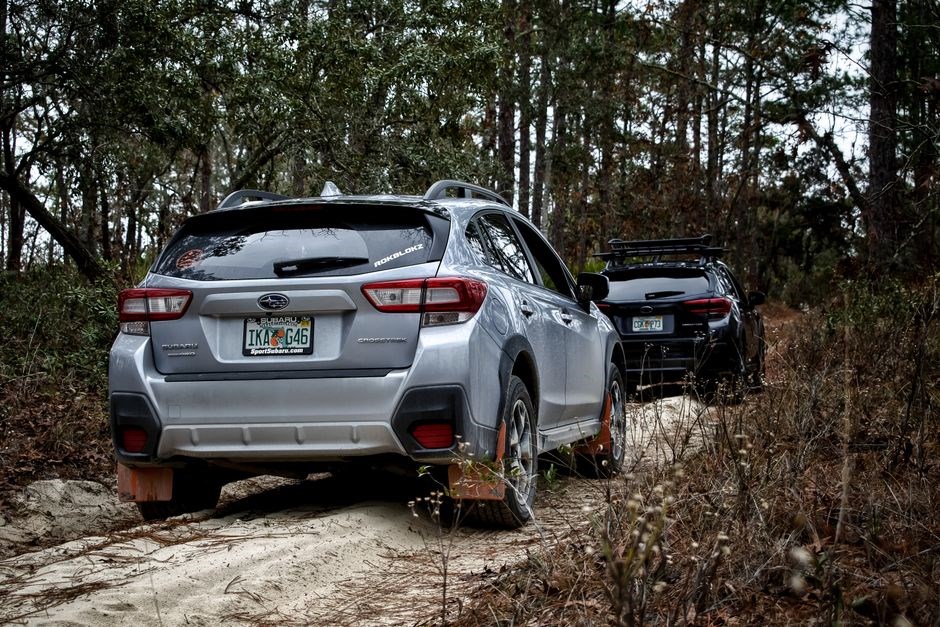
The 2016 Subaru Crosstrek is equipped with a 2.0‑L horizontally opposed four‑cylinder boxer engine that produces 152 horsepower at 6‚200 rpm and 150 lb‑ft of torque at 4‚000 rpm. This naturally aspirated power plant is paired with either a 6‑speed manual transmission or a 6‑speed automatic‚ depending on trim level. The manual transmission features a close‑ratio gear spread that emphasizes low‑end torque for off‑road capability‚ while the automatic offers smooth shifts and a manual‑shift mode for driver engagement. Both transmissions are mated to Subaru’s Symmetrical All‑Wheel Drive system‚ which distributes power to all four wheels via a viscous coupling that automatically adjusts torque distribution based on traction conditions. The engine’s 2.0‑L displacement is accompanied by a 16‑valve DOHC head‚ a 9.7:1 compression ratio‚ and a 4.4‑second 0‑60 mph acceleration on the manual version. Fuel economy is rated at 24 mpg city‚ 28 mpg highway‚ and 26 mpg combined for the manual‚ while the automatic achieves 23 mpg city‚ 27 mpg highway‚ and 25 mpg combined. The Crosstrek’s engine bay is designed with a single‑stage intake manifold and a cast‑iron block that provides durability and heat dissipation. The transmission’s torque converter is tuned for low‑end responsiveness‚ and the final drive ratio is 4.10:1‚ which balances acceleration with fuel efficiency. The 2016 model also features a 0.9‑second shift time for the automatic‚ a 5‑speed manual shift lever‚ and an optional 4WD system that can be engaged via a button on the center console. Overall‚ the engine and transmission combination delivers performance and capability!!!?!
Electrical and Electronics System
The 2016 Crosstrek’s electrical architecture centers on a 12‑V‚ 100‑Ah lead‑acid battery that feeds a 70‑amp alternator‚ delivering 1‚200 W of power for accessories and the engine control unit (ECU). The ECU‚ a 32‑bit ARM Cortex‑M3 processor‚ manages fuel injection‚ ignition timing‚ and transmission shift logic‚ while the body control module (BCM) handles power windows‚ door locks‚ and the integrated infotainment system. The infotainment suite features a 6.5‑inch touchscreen‚ Bluetooth 4.0 connectivity‚ Apple CarPlay‚ Android Auto‚ and a 4‑speaker audio system. Navigation is optional and integrates with the vehicle’s GPS module‚ which receives satellite data via a 3‑G or 4‑G modem. The Crosstrek also incorporates a suite of sensors: a 360° camera system‚ adaptive cruise control sensors‚ lane‑departure warning‚ blind‑spot monitoring‚ and a forward‑collision warning system that uses radar and camera inputs. Lighting is managed by the headlamp control module‚ which switches between low‑beam‚ high‑beam‚ and auto‑headlamp modes‚ and includes LED daytime running lights. The climate control system is dual‑zone‚ with separate temperature controls for the driver and passenger‚ and uses a dual‑stage compressor to maintain cabin comfort. Power distribution is managed by a 12‑V fuse panel and a 48‑V high‑voltage system for the optional hybrid powertrain. The vehicle’s powertrain control module communicates with the transmission via a CAN bus‚ ensuring seamless gear shifts. All electronic systems are monitored by the vehicle’s diagnostic trouble code (DTC) system‚ which logs faults and allows for remote diagnostics via the Subaru STARLINK service portal. Regular software updates are delivered via the Subaru STARLINK portal‚ ensuring that the Crosstrek’s electronic systems remain current with the latest safety and performance enhancements.

Suspension and Steering Components
Subaru’s 2016 Crosstrek employs a MacPherson strut front suspension paired with a torsion beam rear layout‚ delivering a balanced ride that accommodates both on‑road comfort and off‑road capability. The front struts feature a dual‑shock absorber design‚ while the rear torsion beam incorporates a single shock absorber and a rear sway bar to maintain stability during cornering. The vehicle’s steering system is a rack‑and‑pinion setup with power assistance‚ providing precise feedback and a 1:1.3 ratio that enhances maneuverability in tight urban environments. The steering column adjusts for height reach‚ letting drivers of varying statures find a comfortable position. Front and rear suspension geometry minimizes body roll‚ with a lower center of gravity from the 2.0‑L boxer engine below the floorpan. The Crosstrek’s wheelbase of 2‚700 mm and track width of 1‚590 mm provide a stable stance‚ while adjustable sway bars allow tuning to driving preferences. The suspension system also incorporates a front anti‑roll bar and a rear anti‑roll bar that work in concert to reduce lateral body movement during aggressive cornering. The ride height is adjustable via the suspension system‚ using actuators to raise or lower the chassis by up to 20 mm‚ enabling the Crosstrek to clear obstacles on rough terrain. The steering system is integrated with the vehicle’s stability control (ESC) module‚ which monitors wheel speed‚ yaw rate‚ and steering angle to apply braking and engine torque reduction when needed. The steering rack is equipped with a hydraulic pump that provides power assistance‚ reducing driver effort at low speeds and maintaining responsiveness at higher speeds. The Crosstrek’s suspension and steering components are designed to meet Subaru’s long‑term durability standards‚ with all critical parts subject to rigorous testing for fatigue‚ corrosion‚ and wear. Maintenance of the suspension includes periodic inspection of shock absorber oil levels‚ replacement of bushings‚ and calibration of the steering system to ensure consistent handling characteristics throughout the vehicle’s lifespan.
Braking System Details
Subaru’s 2016 Crosstrek braking system is engineered to deliver reliable stopping power across a range of driving conditions. The front brakes are ventilated disc brakes with 13.8‑inch diameter‚ while the rear brakes are 13.2‑inch ventilated discs. Each disc is paired with a four‑ball bearing caliper that provides consistent clamping force and reduces brake fade during repeated use. The brake pads are made from a highand composite material that offers excellent wear characteristics and a low dust signature keeping the brake system clean and improving visibility for the driver. The braking system is integrated with Subaru’s Electronic Brake‑Force Distribution (EBD) and Anti‑Lock Braking System (ABS)‚ which work together to optimize braking effort between the front and rear wheels‚ preventing wheel lockup and maintaining steering control during emergency stops. The ABS module monitors wheel speed sensors and modulates brake pressure to each wheel‚ while the EBD system adjusts the hydraulic pressure distribution based on load and traction conditions‚ ensuring maximum braking efficiency. The Crosstrek also features a Brake‑Assist function that delivers an additional pulse of pressure when the brake pedal is depressed quickly‚ helping to reduce stopping distances in sudden braking scenarios. Regular maintenance of the braking system includes checking brake fluid levels‚ inspecting brake lines for leaks‚ and replacing brake pads and rotors when wear indicators reach the minimum thickness.
Interior Features and Comfort
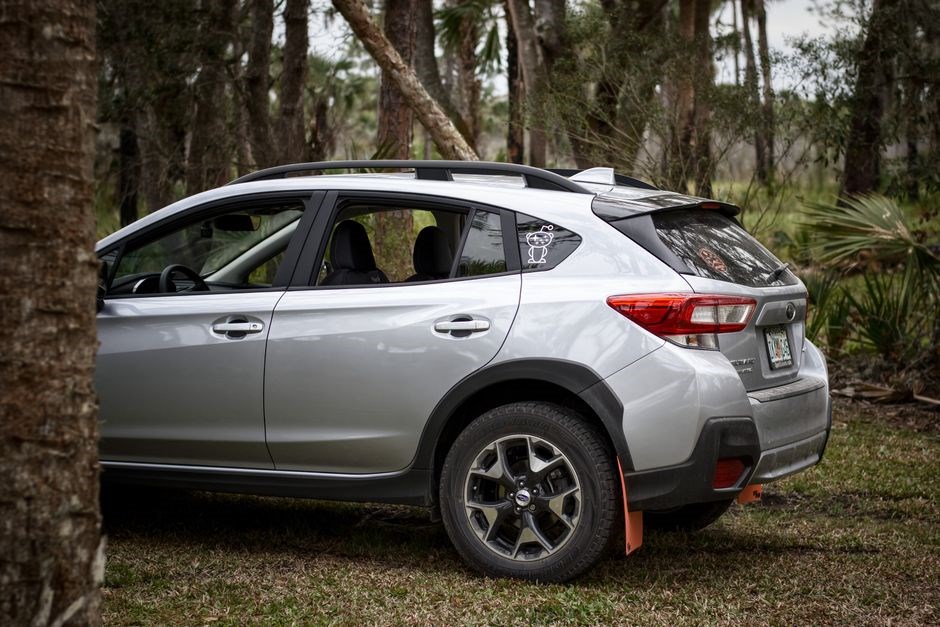
The 2016 Subaru Crosstrek offers a thoughtfully designed cabin that balances practicality with comfort. Standard seating for five features multi‑zone climate control‚ a 7‑inch touchscreen infotainment system with Apple CarPlay and Android Auto‚ and a 6‑speaker audio setup. The seats are upholstered in a soft‚ durable fabric that resists spills and wear‚ with adjustable lumbar support and a 60/40 split rear seat that provides ample cargo space. A power‑tilt/slide steering wheel and power‑adjustable driver seat enhance ergonomics‚ while the dual‑zone climate control allows the front and rear passengers to set independent temperatures. The instrument cluster is a 6‑dial layout with a clear‚ high‑resolution display that shows speed‚ fuel economy‚ and navigation prompts. Additional convenience features include a rear‑view camera‚ keyless entry‚ and a 12‑V outlet in the rear. The cabin is acoustically insulated‚ reducing road noise and creating a quiet environment for long drives. Storage solutions are abundant: a center console with a cup holder‚ a small storage compartment behind the steering wheel‚ and a large trunk that expands when the rear seats are folded flat. Overall‚ the interior prioritizes driver and passenger comfort while maintaining a functional layout suitable for daily commutes and weekend adventures.
Owners value the Crosstrek’s roomy cabin‚ quiet ride‚ and ample storage‚ making it ideal for daily commutes‚ family trips‚ and weekend adventures. Its layout fits all. OK!
Exterior Design and Styling
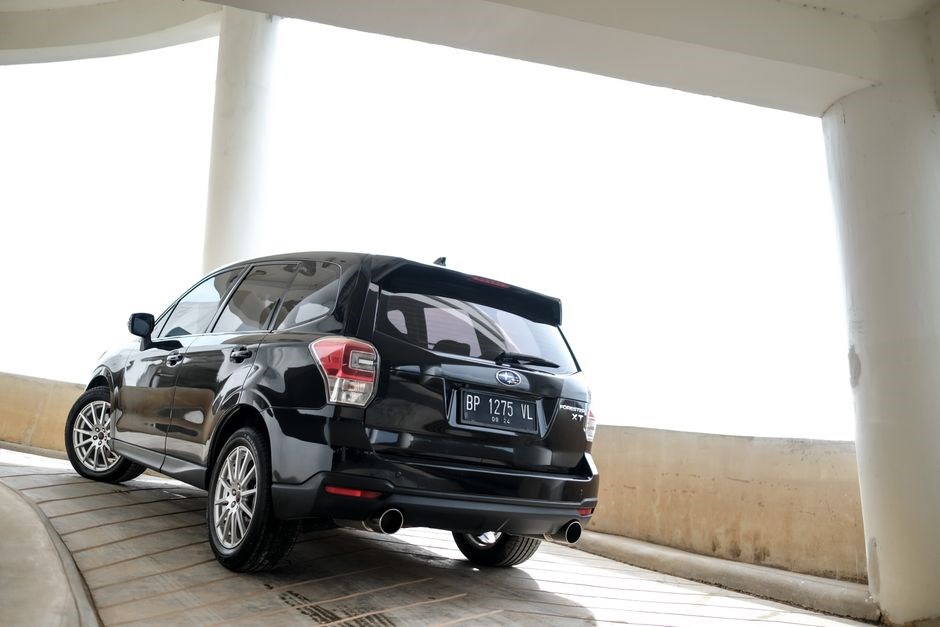
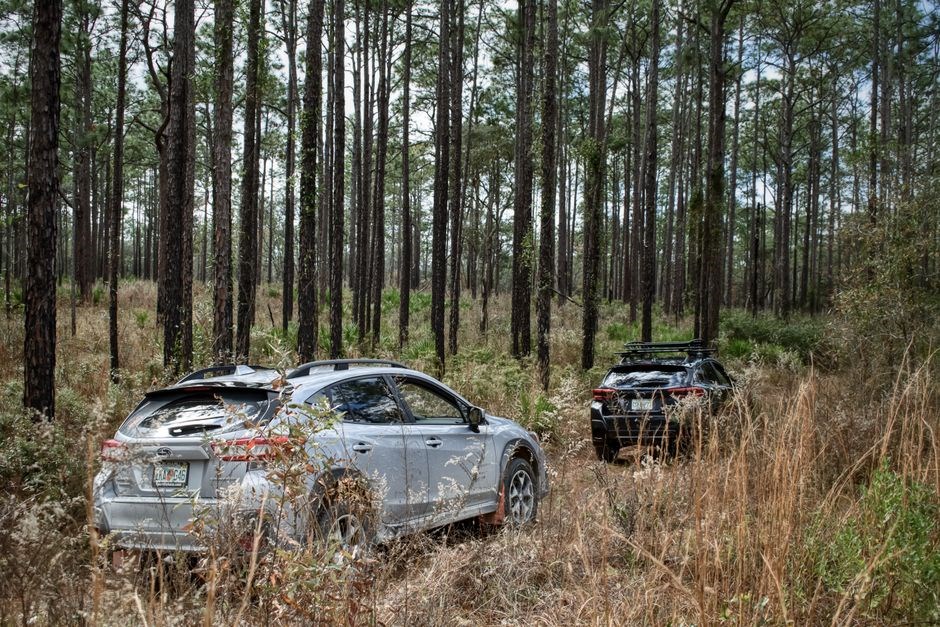
The 2016 Subaru Crosstrek showcases a distinctive exterior that balances rugged capability with style cues. Its front fascia is dominated by a split grille‚ flanked by chrome‑trimmed lower bumper panels and a daytime running lights that give the vehicle an appearance. The side profile features a prominent roof rack‚ 17‑inch alloy wheels‚ and a low stance that enhances off‑road performance while maintaining a comfortable ride height. The rear end presents a design with a single integrated tail light‚ a chrome rear spoiler‚ and a functional cargo area that can be accessed through a wide‚ recessed hatch. Subtle design elements such as dual‑tone paint options‚ available in classic Subaru colors like “Sierra White” or “Midnight Black‚” allow owners to personalize the vehicle’s appearance. The use of high‑quality materials in the exterior trim‚ including brushed aluminum accents and durable plastic‚ ensures that the Crosstrek retains a polished look even after frequent off‑road use. The roof rails are functional and stylish‚ providing additional cargo capacity without compromising the vehicle’s aerodynamic profile. The rear spoiler adds subtle lift‚ improving stability at higher speeds. The overall proportions create a balanced look‚ with a slightly longer wheelbase that improves interior space and stability. The Crosstrek’s exterior design also benefits from a set of 17‑inch alloy wheels that provide a blend of style and off‑road traction‚ reinforcing Subaru’s commitment to versatility while keeping the vehicle approachable for everyday use. These choices appeal to drivers who value style and function.
Safety Features and Crash Data
The 2016 Subaru Crosstrek prioritizes occupant protection through a comprehensive suite of safety technologies. Standard equipment includes a 6‑point seat belt system‚ dual‑stage front airbags‚ side curtain airbags‚ and a rear seat belt reminder system. The vehicle’s structural integrity is reinforced by a high‑strength steel frame‚ which has been engineered to absorb impact energy and maintain cabin integrity during frontal and side collisions.
Subaru’s EyeSight Driver Assist Technology‚ available on higher trims‚ adds active safety features such as adaptive cruise control‚ pre‑collision braking‚ lane‑departure warning‚ and lane‑keep assist. These systems work in tandem to reduce the likelihood of rear‑end and lane‑crossing incidents.
Crash test data from the National Highway Traffic Safety Administration (NHTSA) and the Insurance Institute for Highway Safety (IIHS) reflects the Crosstrek’s solid performance. While the vehicle did not achieve the “Top Safety Pick” designation‚ its combination of passive and active safety features provides a robust safety net for drivers and passengers.
Additional safety provisions include a rear‑view camera‚ parking sensors‚ and a comprehensive set of electronic stability controls such as electronic stability control (ESC)‚ traction control‚ and a hill‑start assist feature. These systems collectively enhance vehicle handling and reduce the risk of skidding or loss of control. It also offers a rear‑view camera!!!
Maintenance Schedule and Service Intervals
Owners of the 2016 Crosstrek should follow the manufacturer’s recommended maintenance intervals to keep reliability and resale value high. The schedule below lists common service tasks grouped by mileage and time.
Every 5‚000 miles or 6 months (whichever comes first):
- Oil and filter change – 0W‑20. and safety.
- Inspect and replace engine coolant. and safety.
- Check tire pressure and tread depth.
- Inspect brake pads‚ rotors‚ and fluid.
- Verify battery terminals. and safety.
Every 10‚000 miles or 12 months:
- Replace engine air filter.
- Inspect and replace cabin air filter.
- Check transmission fluid level. and safety.
- Inspect drive belts and hoses for wear.
- Test all exterior lights and indicators.
Every 30‚000 miles or 36 months:
- Replace engine oil filter and engine oil.
- Replace engine coolant. and safety.
- Inspect suspension and steering components.
- Check wheel bearings and steering rack.
- Flush brake fluid.
Every 60‚000 miles or 72 months:
- Replace spark plugs (if applicable).
- Inspect timing belt/chain and tensioner.
- Replace transmission fluid and filter.
- Replace differential fluid.
- Replace brake pads if worn. and safety.
Always consult the owner’s manual for fluid specs‚ torque settings‚ safety precautions. Keep a service log to track tasks and anticipate future maintenance.
Common Issues‚ Recalls‚ and Fixes
Owners of the 2016 Crosstrek often report a handful of recurring concerns that can be addressed with timely service or manufacturer action. The most frequently cited problems include excessive engine oil consumption‚ a tendency for the head gasket to fail under high load‚ and occasional power‑steering fluid leaks from the steering rack. Many drivers also note that the 6‑speed automatic transmission may shift harshly after the first 30‚000 miles unless the fluid is replaced.
Subaru has issued several recalls that affect the 2016 Crosstrek. A 2015‑2016 recall covers the power‑steering rack and pump‚ which can leak fluid and cause a loss of steering assist. A separate recall addresses a faulty battery management system that may trigger a false low‑voltage warning and shut down the engine. All of these recalls are covered under the manufacturer’s warranty and can be completed at an authorized dealer without cost to the owner.
Fixes for non‑recall issues are generally straightforward. Replacing the oil filter and performing an oil change with the correct viscosity can curb consumption. A head‑gasket replacement or a head‑gasket repair kit is recommended if a coolant leak or overheating is observed. For the steering rack‚ a fluid flush and gasket replacement usually restores proper operation. Transmission fluid replacement every 30‚000 miles‚ along with a filter change‚ will keep shifts smooth. Battery replacement or a battery‑management software update can resolve low‑voltage alerts. Finally‚ replacing worn suspension bushings with high‑quality rubber or polyurethane alternatives will eliminate clunking noises.
Owners should keep the infotainment firmware updated; a 2016 Crosstrek update improves Bluetooth‚ navigation‚ and audio quality daily everyday!!
Warranty Coverage and Service Options
The 2016 Subaru Crosstrek comes with a comprehensive warranty package that protects owners against manufacturing defects and ensures peace of mind. The new‑vehicle limited warranty covers the powertrain‚ drivetrain‚ and major components for five years or 60‚000 miles‚ whichever comes first. The powertrain warranty extends to seven years or 100‚000 miles for the engine‚ transmission‚ and all‑wheel‑drive system. Additionally‚ Subaru offers a 10‑year/100‚000‑mile powertrain warranty on the 2.0‑L boxer engine‚ which includes the cylinder heads‚ pistons‚ and valve train.
The body and paint are protected under a 10‑year unlimited mileage warranty‚ while the interior and electrical systems are covered for five years or 60‚000 miles. The warranty also includes roadside assistance‚ courtesy vehicle‚ and a 24‑hour toll‑free service hotline. For owners who want extra coverage‚ Subaru offers optional extended warranties available. These plans cover items such as the air‑conditioning and alternator‚ and can be tailored to match the vehicle’s mileage and usage.
Service options are flexible and can be scheduled at any authorized Subaru dealer. The dealer network provides a full range of maintenance services‚ including oil changes‚ tire rotations‚ brake inspections‚ and software updates. Subaru’s “Service‑Plus” package offers a discounted rate on routine maintenance. Owners can book appointments online and receive reminders for service dates.
In addition to the standard warranty‚ Subaru’s “Peace of Mind” program offers a 30‑day‚ 1‚000‑mile‚ or 1‑year warranty on all parts and labor for the first service visit‚ whichever comes first. This program is designed to give new owners confidence in the quality of the vehicle and the dealership’s service. All warranty claims are processed through Subaru’s network and performed by certified technicians. The warranty coverage is transferable to subsequent owners‚ ensuring the vehicle retains value.
Extended warranty plans covering suspension‚ powertrain‚ and drivetrain for up to 10 years or 150‚000 miles‚ ownership.!
Digital Resources and Online Manuals
Owners of the 2016 Crosstrek can download the full PDF Owner’s Manual from Subaru’s official site. The “Owner’s Portal” offers safety‚ warranty‚ and troubleshooting sections‚ plus an interactive service schedule that syncs with the VIN and sends reminders for oil changes‚ tire rotations‚ and inspections.
The “Subaru Service Information” portal offers service bulletins‚ wiring diagrams‚ repair procedures‚ TSBs for fuel pump noise oil consumption.
Subaru’s mobile app connects via Bluetooth to display real‑time data: engine RPM‚ battery voltage‚ tire pressure. It can trigger diagnostic trouble codes and provide step‑by‑step repair guidance. The “Maintenance Log” records every service event and can export to CSV.
The “Subaru Owners Community” forum hosts user‑generated content: repair tips‚ modification ideas‚ and troubleshooting threads. Members share experiences‚ upload photos‚ and ask Subaru technicians. Moderation ensures accurate information and warranty compliance.
Finally‚ the “Digital Service Manual” is available for purchase on the Dealer Portal. It includes 3‑D models‚ step‑by‑step instructions‚ and QR codes linking to video demos. The digital format allows instant updates whenever a new TSB or recall is issued.
For quick reference‚ Subaru also provides a searchable online database of common repair parts and their OEM part numbers. This resource helps owners and mechanics identify the correct components‚ reducing downtime and ensuring compatibility with the 2016 Crosstrek’s unique drivetrain 2026!!!

How to Access the Owner’s Manual
To locate the 2016 Crosstrek Owner’s Manual‚ begin by visiting Subaru’s official website. Navigate to the “Owners” section‚ then select “Owner’s Manual” from the drop‑down menu. Enter your vehicle’s VIN in the provided field; the system will auto‑populate the correct manual for your trim level and options. If you prefer a hard copy‚ the manual is included in the vehicle’s glove compartment at the time of purchase. For those who need a replacement‚ contact your local Subaru dealership’s service department; they can order a new manual and mail it to you. Additionally‚ the dealership’s service portal allows you to log in with your VIN and view a PDF version of the manual. This portal also provides a searchable index of key topics such as maintenance schedules‚ safety features‚ and troubleshooting. If you have a Subaru mobile phone‚ you can download the “Subaru Owner” app from the app store; after signing in with your VIN‚ the app will display a digital copy of the manual along with quick‑access links to specific sections. Finally‚ for international owners‚ Subaru’s global website offers language‑specific manuals; simply select your country from the top‑right menu‚ then follow the same VIN lookup process. Following these steps ensures you have the most up‑to‑date information for your 2016 Crosstrek‚ helping you maintain performance and safety throughout the vehicle’s life. By following these steps‚ you’ll have quick‚ reliable access to all the technical details needed to keep your Crosstrek running smoothly and safely for years to come and enjoy
Buying Tips for 2016 Crosstrek Owners
When scouting a 2016 Crosstrek‚ start with a comprehensive service history. A well‑documented log—especially one that notes oil changes‚ filter swaps‚ and any major repairs—signals diligent ownership. Verify that the vehicle has a clean title and no accident record; a history report from Carfax or AutoCheck can confirm this. Next‚ inspect the all‑wheel‑drive system; look for any signs of fluid leaks or unusual noises. The 2.0‑L boxer engine should run smoothly‚ and the 6‑speed manual or automatic should shift without hesitation. Test the brakes on a quiet road; the ABS should engage correctly‚ and the parking brake should hold firmly. Check the suspension for worn bushings or uneven tire wear‚ which could hint at prior off‑road use. Interior trim should be free of excessive wear‚ and the infotainment system should be responsive. Confirm that the vehicle’s VIN matches the one on the manual and registration. If possible‚ request a pre‑purchase inspection from a trusted mechanic; they can uncover hidden issues such as rust or transmission wear. Finally‚ compare the asking price to regional market values; use tools like Kelley Blue Book or Edmunds to gauge fair pricing. A well‑maintained 2016 Crosstrek can offer reliable performance and a comfortable ride for both city commutes and weekend adventures.
Also‚ examine the vehicle’s mileage—typically 30‚000–45‚000 miles for a 2016 model. Lower mileage often means less wear‚ but a higher‑mileage Crosstrek that has been well maintained can still be a solid choice. Look for any aftermarket mods‚ as they may affect warranty coverage. Good luck!!

Technical Specifications Sheet
Engine: 2.0‑L horizontally opposed four‑stroke‚ 4‑cyl‚ 150 hp‚ 145 lb‑ft torque‚ naturally aspirated‚ 8‑speed manual or 6‑speed automatic‚ all‑wheel drive standard.
Transmission: 6‑speed manual or 6‑speed automatic‚ 5‑speed automatic optional‚ all‑wheel drive‚ X‑Trac® 4‑wheel‑drive system.
Dimensions: Length 169.5 in‚ Width 68.1 in‚ Height 63.4 in‚ Wheelbase 104.6 in‚ Ground clearance 8.4 in.
Weight: Curb weight 3‚165 lb (manual)‚ 3‚200 lb (automatic)‚ curb weight 3‚200 lb (manual)‚ 3‚235 lb (automatic).
Fuel Economy: EPA: 25/32 mpg city/highway (manual)‚ 24/31 mpg city/highway (automatic).
Performance: 0–60 mph: 8.6 sec (manual)‚ 8.8 sec (automatic). Top speed 112 mph (manual)‚ 110 mph (automatic).
Drivetrain: Symmetrical all‑wheel drive‚ X‑Trac® 4‑wheel‑drive system‚ 4‑wheel‑drive system.
Suspension: MacPherson strut front‚ multi‑link rear‚ independent suspension‚ coil springs‚ shock absorbers.
Brakes: 4‑wheel disc brakes‚ front 12.5 in‚ rear 11.5 in‚ ABS‚ stability control‚ traction control.
Wheels/Tires: 17‑inch alloy wheels‚ 235/65 R17 tires‚ 215/70 R16 optional‚ 235/65 R17 standard.
Capacity: Fuel tank 12.5 gal‚ cargo 30.5 cu ft (hood)‚ 56.0 cu ft (with rear seats folded)‚ 1.5 cu ft trunk.
Safety: Standard: seat belts‚ airbags‚ stability control‚ traction control‚ ABS‚ rear‑view camera‚ parking sensors‚ keyless entry‚ power windows‚ power door locks.
Features: 6‑inch touchscreen‚ Bluetooth‚ USB‚ Apple CarPlay‚ Android Auto‚ navigation‚ upgraded audio‚ heated seats‚ power steering‚ power windows‚ power door locks‚ keyless entry‚ power trunk‚ power seats‚ dual‑zone climate control‚ heated steering wheel‚ power‑adjustable seats‚ power‑tilting steering wheel‚ power‑adjustable steering wheel‚ power‑tilting steering wheel‚ power‑tilting steering wheel.